
The AccessDx PGx Profile:

PGx for Primary Care
Primary care providers can use PGx to determine the correct medication and dose along a patient's entire continuum of care.
- Supports continuity of care
- Enhances clinical decision-making
- Helps reduce trial-and-error prescribing
- Aids in improving medication adherence
Fill out this form to learn more details about PGx for primary care.
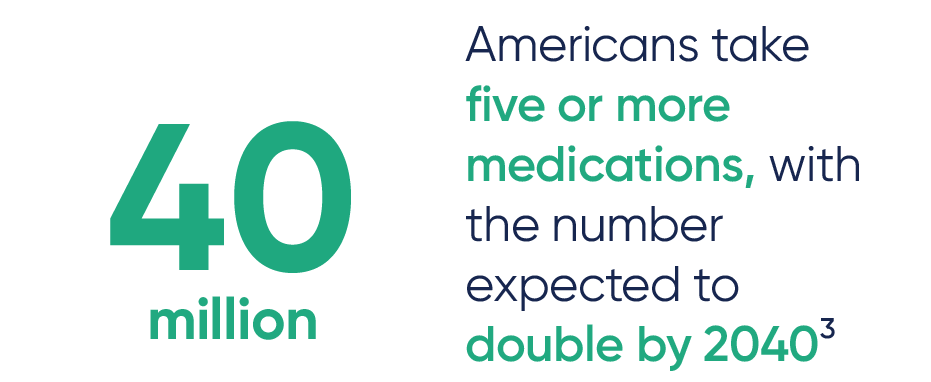
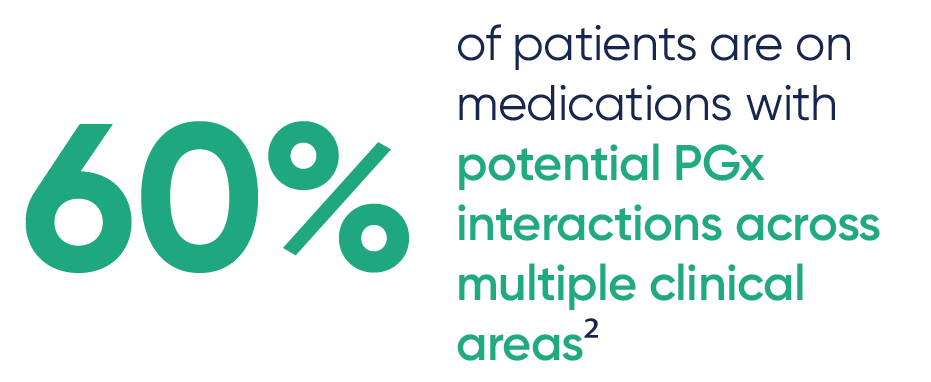
Limiting PGx testing to a single clinical area might lead to missed actionable drug-gene interactions and potential patient harm2
Testing Options:
Therapeutic Areas Impacted:
Anestheisology
Behavioral Health
Cardiology
Dermatology
Endocrinology
Gastroenterology
Genitourinary
Hematology
Infectious Disease
Neurology
Oncology & Immunology
Opthalmology
Otolaryngology
Pain Medicine
Rheumatology
Transplant
Resources:
AccessDx PGxperts™ Articles
- HIT Consultant, “The End of the Guessing Game: Why Primary Care is Finally Ready for Pharmacogenomics”
- Health IT Answers, “Beyond the Allergy Bracelet: Why Genes Hold the Key to Real Medication Safety”
- PubMed, “Implementing comprehensive pharmacogenomics in a community hospital-associated primary care setting”
- Healthcare Business Today, “Precision Medicine Insights Add Value to Primary Care”
- Journal of Clinical Pathways, “Primary Care Increasingly on the Front Lines of Clinical Genetics: Standard Practice and Data Concerns”
- Chanfreau-Coffinier C, et al. Projected Prevalence of Actionable Pharmacogenetic Variants and Level A Drugs Prescribed Among US Veterans Health Administration Pharmacy Users. JAMA Netw Open. 2019;2(6):e195345.
- Ashcraft, Kristine, et al. “Validation of Pharmacogenomic Interaction Probability (PIP) Scores in Predicting Drug–Gene, Drug–Drug–Gene, and Drug–Gene–Gene Interaction
Risks in a Large Patient Population.” Journal of Personalized Medicine, vol. 12, no. 12, 2022, article 1972, https://doi.org/10.3390/jpm12121972. - Bureau USC. 2017 National Population Projections Tables: Main Series. Census.gov. October 8, 2021. Accessed May 6, 2022.
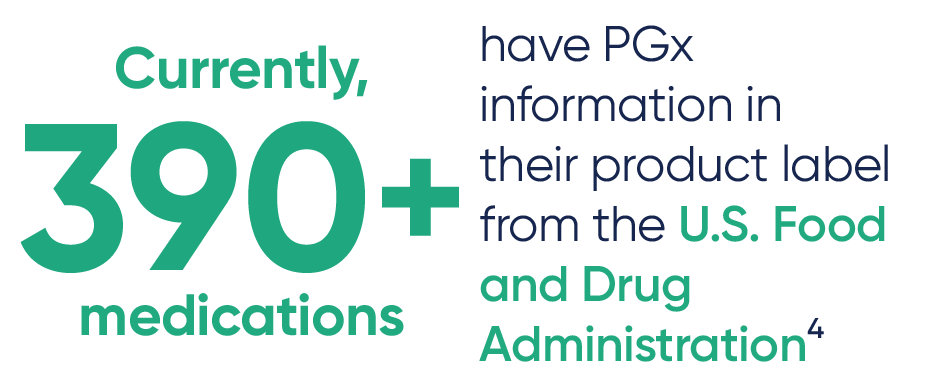
- United States Food and Drug Administration. Table of Pharmacogenomic Biomarkers in Drug Labeling. U.S. Food and Drug Administration, last updated June 2024,
https://www.fda.gov/drugs/science-and-research-drugs/table-pharmacogenomic-biomarkers-drug-labeling. Accessed 8 Aug. 2025.

